

A lot of Naples homeowners start in the same place. The shower curtain sticks to your arm, the old framed door has a track that never looks clean, and the tub area makes the whole bathroom feel tighter than it is. You may already have good tile, solid fixtures, and a layout that works. The weak link is the enclosure.
That’s where sliding tub doors frameless stand out. They change the room without changing the footprint. You keep the practicality of a tub-shower combination, but lose the visual clutter, the bulky metal, and the hard-to-clean corners that make an otherwise attractive bathroom look dated.
In Southwest Florida, that decision also needs to be practical. Humidity, hard water, older homes with uneven walls, and coastal wear all affect how a tub door performs. A beautiful door that isn’t measured and installed correctly turns into a leak problem fast. A well-built frameless slider, fitted to the space it will occupy, does the opposite. It brightens the room, simplifies cleaning, and gives the bath a cleaner architectural look that suits both contemporary remodels and updated older homes.
The Modern Upgrade Your Bathroom Deserves
You step into an older Naples bath that still has a solid tub, decent tile, and a layout worth keeping. Then the door reveals its condition. The old framed bypass shakes in the track, the metal looks tired, and the opening feels tighter than the room's dimensions suggest.
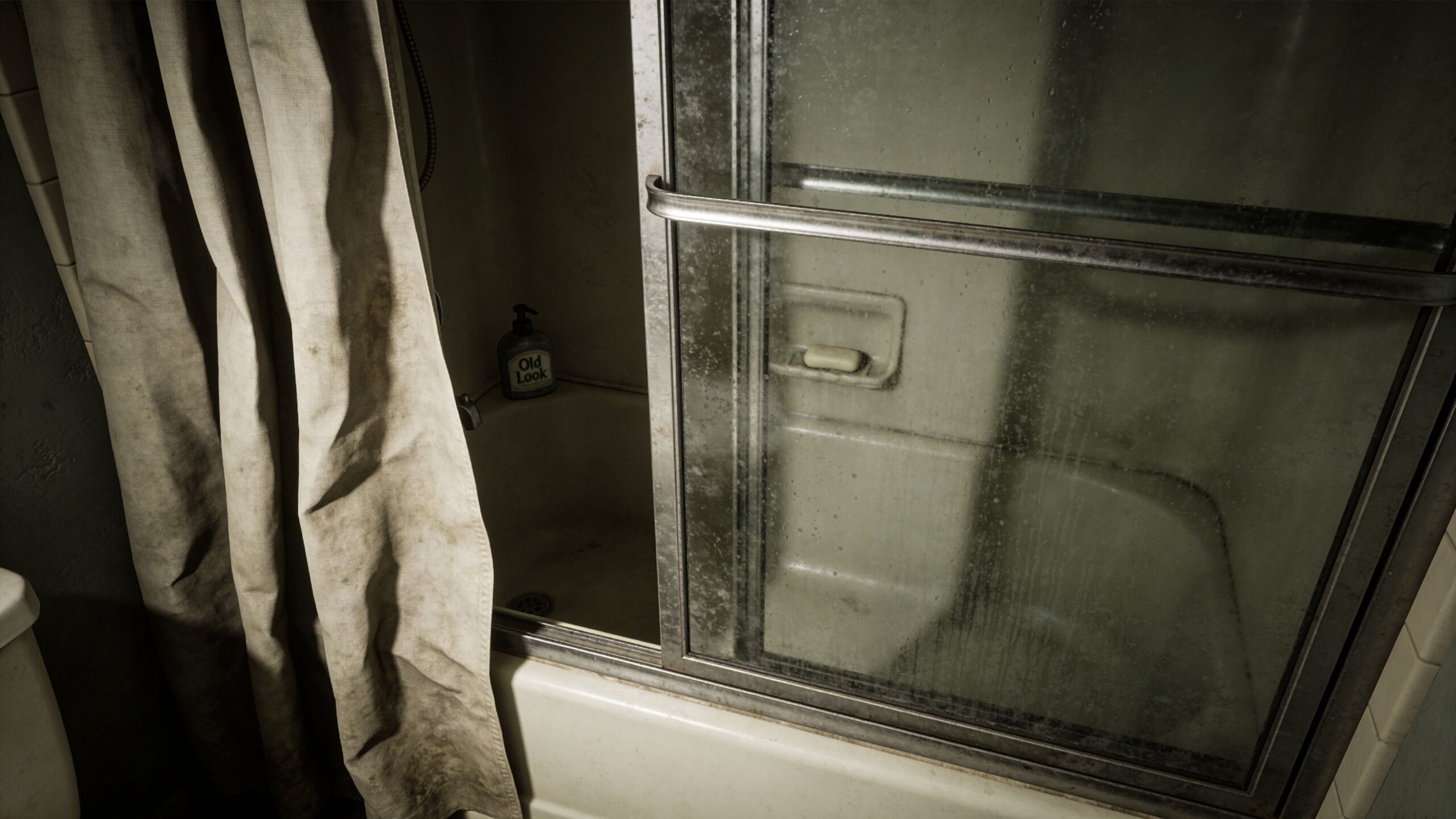
A frameless sliding tub door changes that quickly, but the benefit is more than appearance. With less visible metal and more uninterrupted glass, the tub alcove reads wider, brighter, and more finished. You see the tile work, not the frame. In many remodels, that is the update that pulls the whole bathroom together without tearing out the tub.
In older Southwest Florida homes, the decision takes more judgment than a showroom display suggests. Many tub decks are not perfectly level. Many walls are slightly out of plumb. Some alcoves are a fraction out of square from settling, old tile buildup, or multiple remodels over the years. Big-box sizing rarely accounts for that. A door that looks close on paper can bind, leave uneven gaps, or start leaking at the corners once it is installed.
That is why product choice and field measurement have to work together. A well-made frameless sliding shower door system for tub openings gives you the clean look homeowners want, but it also allows us to fit the glass and hardware to the actual opening instead of forcing the opening to fit a stock unit.
Why this upgrade works so well in Naples homes
A lot of local bathrooms have enough floor area, but the tub wall still feels closed in. Clear glass fixes the sightline problem. That matters in coastal homes, condos, and older ranch layouts where every visual inch counts.
It also fits the way careful homeowners plan a remodel:
- Better use of the existing footprint: If you want to plan bathroom layouts before choosing finishes, frameless glass usually keeps the room feeling more open than a framed enclosure or curtain.
- More light across the tub wall: Natural and artificial light carry through the glass instead of stopping at a heavy frame.
- A cleaner architectural look: Minimal hardware works especially well with updated Naples interiors, whether the style leans coastal, transitional, or contemporary.
I tell homeowners the same thing all the time. The best frameless slider does not call attention to itself. It makes the room look correct.
Frameless vs Framed Doors What's the Real Difference
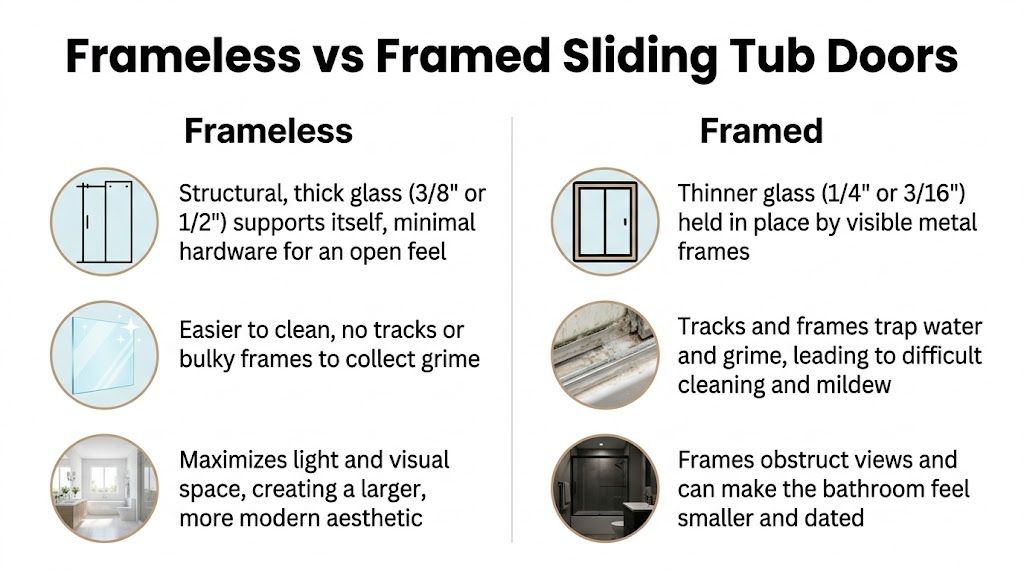
A frameless sliding tub door uses thick structural glass and minimal hardware so the glass itself does the visual work. A framed unit relies on more visible metal to support thinner glass. A semi-frameless door sits in the middle, with some exposed framing and some open glass edges.
That sounds simple, but the practical difference is bigger than most showroom displays suggest.
Frameless shower enclosures first entered the market in 1970, evolving from the 1963 introduction of tempered glass stalls. Their popularity accelerated over the last decade, and Apartment Therapy named frameless shower stalls among the top bathroom trends in early 2014, with appeal tied to easy maintenance and better light flow, as outlined in this history of glass shower doors. That long arc matters because frameless isn’t a fad. It’s a mature design choice that kept winning because it solves real problems.
What you’re actually buying
Consider the contrast between an old window with thick dividers and a modern pane with a clean view. Both close an opening. Only one feels open.
With sliding tub doors frameless, the value comes from three things working together:
- Visual openness: You see tile, wall color, and fixture finishes without a thick metal outline.
- Cleaner edges: There are fewer places for grime to collect.
- A more architectural finish: The enclosure looks integrated into the room, not added on afterward.
The real comparison
| Feature | Frameless | Semi-Frameless | Framed |
|---|---|---|---|
| Overall look | Minimal, open, modern | Cleaner than framed, but still defined by metal edges | More traditional and visually heavier |
| View into the tub area | Broad, unobstructed | Partially open | Most interrupted by frame lines |
| Cleaning effort | Simpler because there are fewer bulky frame areas | Moderate | Highest, especially where tracks and frames collect residue |
| Feel in a small bathroom | Expands the room visually | Helps somewhat | Can make the opening feel tighter |
| Best fit for high-end tile work | Excellent | Good | Least effective at showcasing finishes |
| Perceived value | Premium | Mid-range | Functional, but less refined |
Where framed units still make sense
Not every homeowner needs frameless. If budget is the only priority and the bathroom is a basic utility space, a framed door can do the job. Semi-frameless can also make sense when someone wants a lighter look without going fully custom.
But those options come with trade-offs that matter every day. Heavier visual lines. More corners to maintain. Less ability to highlight stone, porcelain, or patterned wall tile.
Practical rule: If your goal is to make the bathroom feel larger and cleaner without changing the layout, frameless gives you the strongest result.
For homeowners comparing actual product styles, it helps to look at examples of sliding shower door systems that prioritize minimal hardware and clean sightlines. Once you see the difference side by side, framed units usually feel older immediately.
What works and what doesn’t
What works is choosing a door style that matches the level of finish in the rest of the bathroom. Frameless belongs in spaces where the tile, vanity, lighting, and plumbing trim have been chosen with some care.
What doesn’t work is spending on a remodel and then capping it off with a bulky enclosure that visually shrinks the room. That’s the mismatch homeowners regret later.
Choosing Your Style Glass and Hardware Options
Once you’ve decided on frameless, the next question isn’t whether it will look better. It will. The question is which combination of glass and hardware will look right in your bathroom and hold up well in daily use.
The best choices are rarely random. They come from matching the enclosure to the room’s finish palette, the tub opening, and the way the door will be used every day.
Start with the roller system
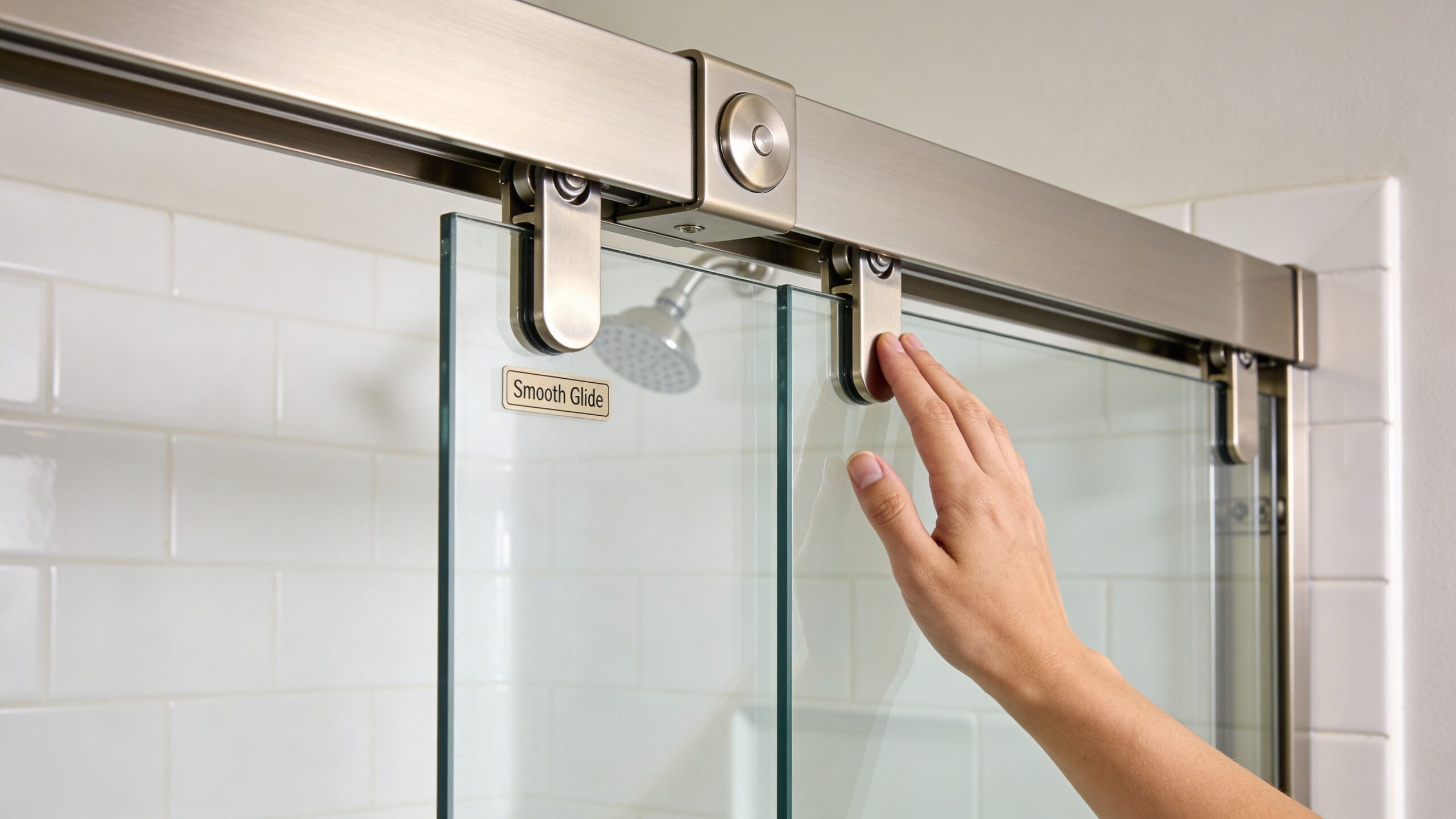
A good frameless slider should glide cleanly and stay aligned. That’s where European-style rolling mechanisms with dual-bypassing panels separate premium doors from cheaper ones. Systems in this category use SUS304 stainless steel 45mm rollers, support up to 150 lbs per panel, maintain alignment within 1/16 inch over 5 years, and create opening widths of 24 to 28 inches, according to Basco product specifications for this style of system.
That matters in real bathrooms because tub doors get used hard. They’re opened with wet hands, nudged by kids, and exposed to soap residue. Hardware that starts rough usually gets worse, not better.
Three signs a roller system is worth your attention:
- Stainless components: Better suited to wet environments than cheap plated parts.
- Stable header design: Keeps the panels tracking correctly.
- Smooth bypass action: Lets both panels move without binding.
Match hardware to the room, not the trend
Hardware finish changes the tone of the whole bathroom.
If the faucets and sconces are polished chrome, a black track can look disconnected. If the vanity pulls are matte black and the room has sharper modern lines, brushed nickel may soften the scheme too much. The enclosure should look like it belongs to the plumbing and lighting package.
Common finish pairings that usually work well:
- Polished chrome: Bright, crisp, and often right for clean white bathrooms.
- Brushed nickel: A safe fit for transitional interiors with warmer metal accents.
- Matte black: Strong contrast, best when repeated elsewhere in the room.
- Stainless look hardware: Excellent for a restrained, modern coastal palette.
Choose the right glass appearance
Glass isn’t just glass. Standard clear tempered glass can carry a slight green cast, especially along the edge. In some bathrooms that’s fine. In others, especially with white tile, pale stone, or subtle veining, homeowners prefer a clearer look.
That’s where ultra-clear glass options make a noticeable difference. They keep the enclosure from tinting the finishes behind it and are especially useful when the tile is a major design feature.
The more carefully selected your tile is, the more important glass clarity becomes.
A quick visual example helps here:
Style choices that age well
The safest long-term design decisions are usually the simplest ones. Overly decorative handles, busy metal profiles, and trendy shapes date faster than clean hardware with straightforward geometry.
If you want the room to look current now and still look right years from now, keep these priorities in order:
Proportion first
The door should fit the tub opening and wall conditions cleanly. A beautiful handle won’t save a poorly proportioned installation.Hardware second
Pick a finish that repeats existing fixtures.Glass clarity third
Upgrade glass type when your finishes deserve to be seen accurately.
That sequence keeps the decision grounded. Good design in a bathroom isn’t about piling on features. It’s about choosing the few visible ones well.
The Science of Safety and Lasting Clarity
Homeowners often focus on how a frameless door looks. Installers focus first on how it’s built. That’s the right order if you care about safety, durability, and whether the door still feels solid years from now.
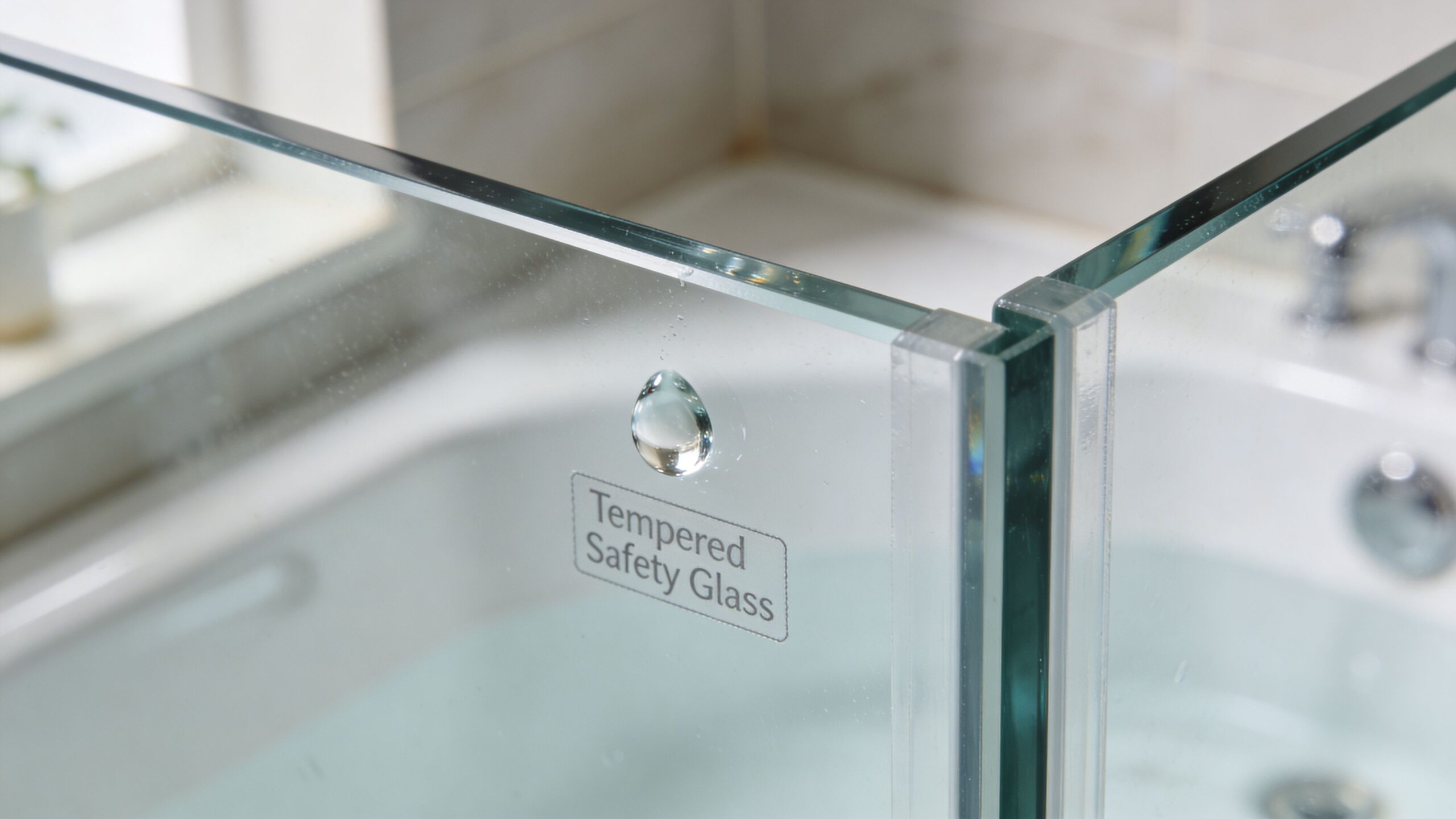
The baseline specification matters. Frameless sliding tub doors typically use 3/8-inch (10mm) tempered glass, and that glass is up to five times stronger than standard glass. If it breaks, it shatters into small, blunt granules, reducing injury risk by over 90% per ANSI Z97.1 safety standards, according to WOODBRIDGE product and safety information. That same thickness also helps the glass resist thermal stress from hot showers.
Why thickness changes performance
Thin glass feels different. It can flex more, sound lighter, and leave the whole door system feeling less stable. In a frameless application, that matters because the design doesn’t hide behind bulky metal.
3/8-inch tempered glass gives the panel enough substance to feel planted. The rollers, header, seals, and guides all perform better when the glass itself has the right rigidity. Homeowners may describe that as “smooth” or “solid,” but those impressions come from engineering, not marketing.
Why coatings matter in Southwest Florida
Naples bathrooms deal with two common enemies. Humidity and mineral residue.
Without a protective surface treatment, water dries on the glass and leaves spotting behind. Soap residue builds on that. Then people reach for abrasive cleaners, and the glass starts to lose the clean look they paid for.
A quality protective coating changes the maintenance routine. Water sheets better, residue releases more easily, and regular cleaning takes less effort. For many homeowners, that’s the difference between enjoying frameless glass and feeling like they have to babysit it.
A sensible maintenance routine usually looks like this:
- Use a squeegee after showering: A few seconds prevents residue from sitting on the glass.
- Wipe hardware dry: It helps keep metal finishes looking crisp.
- Use non-abrasive cleaners: Harsh scrubbing shortens the life of both coatings and hardware.
- Check seals periodically: A door can look fine and still need a minor adjustment or gasket replacement.
For a more detailed care routine, a dedicated guide to shower door maintenance is useful, especially for homeowners in high-humidity areas.
Safety goes beyond the door
A well-designed enclosure should help keep water where it belongs, but the floor outside the tub still matters. If you’re updating the bath as a whole, it’s smart to pair the glass project with expert local anti-slip flooring advice so the room works safely when feet are wet.
Good bathroom design isn’t one feature. It’s the glass, the floor, the drainage, and the daily habits all working together.
What’s worth paying for
If a homeowner asks where to spend money, the answer is simple. Spend it on the things you touch and clean for years.
That means:
- proper glass thickness
- true tempered safety glass
- quality rollers and hardware
- a coating that makes cleaning easier
What usually isn’t worth paying for is decorative gimmickry that doesn’t improve function. Safety and clarity aren’t glamorous, but they’re what make the door still feel premium after the remodel glow wears off.
Why Professional Measurement Is Crucial in Southwest Florida
The biggest mistake homeowners make with sliding tub doors frameless is assuming the tub opening is standard because the tub length looks standard.
In older Southwest Florida homes, that assumption causes most of the trouble. The opening may look close enough from across the room, but once you put a level on the walls, check the tub deck, and measure the vertical planes, the actual conditions show up. One wall leans slightly. The tub lip varies. The corners aren’t square. In a condo, years of settling can leave just enough misalignment to make a stock door frustrating from day one.
A 2025 Houzz survey of 1,200 Florida homeowners found that 68% faced custom sizing issues during shower upgrades, especially in older homes with non-standard tub dimensions, according to Houzz coverage on remodeling and bath planning. That lines up with what installers see constantly in Naples, Bonita Springs, and Fort Myers. Retail packaging may say adjustable, but adjustment has limits.
The local conditions that throw off standard doors
Big-box displays make tub doors look interchangeable. They aren’t.
The most common site conditions that disrupt a clean installation are:
- Out-of-plumb walls: If the side walls don’t run straight vertically, the glass-to-wall gap changes from top to bottom.
- Uneven tub lips: A tub deck that looks level can still vary enough to affect seals and guides.
- Non-standard opening widths: Older tubs and surround builds often drift from what off-the-shelf units expect.
- Tile buildup and renovation layers: New tile over old substrate can change finished dimensions in ways standard kits don’t account for.
What goes wrong with one-size-fits-all installs
The failure points are predictable.
You get a wider gap at one corner, then someone tries to solve it with extra silicone. Or the doors slide, but the overlap isn’t ideal, so water escapes at the wrong point. Sometimes the panels technically fit, but they don’t look right. The reveal is uneven, the line at the wall is crooked, and the hardware has to work harder than it should.
That’s why professional field measurement matters more with frameless than with framed units. Framed doors can hide some irregularity because the metal does more visual and structural work. Frameless systems expose everything.
A frameless door doesn’t forgive bad measuring. It highlights it.
What proper measurement should include
A serious measurement process is not a quick tape measure pass. It should account for the opening as built, not as imagined.
Key checks include:
Wall plumb
Each wall needs to be checked vertically over the full height, not at one point.Tub deck condition
The installer needs to verify level, surface consistency, and any crown or dip that affects sealing.Opening width at multiple points
Top, middle, and bottom measurements often tell different stories in older homes.Tile and finish thickness
Hardware placement depends on what’s behind the finished surface.Clearance and user access
The entry opening needs to work comfortably for the people using it.
For homeowners in the region, it helps to understand how a custom installer approaches frameless shower door installation in Fort Myers and surrounding Southwest Florida homes. The important takeaway isn’t the city. It’s the process. Local homes require local measurement habits.
Older homes need judgment, not just tools
Laser levels, templating systems, and precise measuring tools are part of the work. Judgment is the other part.
An experienced installer knows when a wall condition is acceptable, when hardware can accommodate a variance cleanly, and when the surrounding construction needs correction before glass is ordered. That’s the part homeowners don’t see in a product listing.
What works in these homes is custom sizing, careful layout, and a realistic plan for sealing and alignment. What doesn’t work is forcing a retail kit into an opening that only appears standard.
Understanding Your Investment and Long-Term Maintenance
A Naples homeowner usually feels the true cost difference after the install, not on the quote. A lower-priced slider that binds, leaks at the jamb, or looks crooked against an older tile line gets expensive fast. A properly fitted frameless tub door costs more up front because the work includes custom sizing, better hardware, and installation that accounts for the existing room, not the room a catalog assumes.
Frameless sliders generally sit above framed units on price, especially once custom glass, heavier rollers, and finish upgrades enter the picture. Labor also carries more weight in older Southwest Florida homes. If a tub is slightly out of level or the walls are out of plumb, the installer has to solve for those conditions without forcing the glass or overloading the hardware. That is skilled work. It is one reason homeowners who read about AmeriGlass and our installation standards often decide quality control matters more than the lowest bid.
A clean opening with standard clear glass and basic hardware is the lower end of the range. Costs rise when the project includes:
- Upgraded glass: Low-iron glass and protective coatings improve appearance and reduce cleanup, but they add cost.
- Better hardware: Heavier-duty rollers, stronger finishes, and more refined pull options hold up better in daily use.
- Custom fabrication: Older tubs and renovated alcoves often need made-to-order dimensions instead of stock panels.
- More demanding installation conditions: Crooked walls, uneven tile, and limited fastening areas take more time to handle correctly.
I have seen homeowners compare quotes line by line and miss the biggest difference. One proposal includes the judgment to correct for real field conditions. The other assumes the opening is standard and hopes the hardware adjustment will cover the rest. In an older Naples bath, that assumption is where trouble starts.
Maintenance is straightforward if the door was installed correctly in the first place. Good alignment keeps the panels rolling cleanly. Good sealing keeps water where it belongs. Good hardware resists corrosion and slop over time, which matters in Southwest Florida air and in bathrooms that stay humid most of the year.
The routine care is simple:
- Wipe or squeegee the glass after use: This cuts down mineral spotting and soap film.
- Rinse residue off the lower guide area: Shampoo, body wash, and dust collect there first.
- Use non-abrasive cleaners: Harsh products dull finishes and can shorten the life of coatings.
- Check rollers and guides periodically: A quick inspection catches buildup before sliding action gets rough.
Pet owners should pay extra attention to the lower guide and tub edge. Dog hair collects there faster than many homeowners expect. That does not make frameless sliders hard to own. It just means light weekly cleaning works better than letting buildup harden and then scrubbing aggressively.
If you are comparing this upgrade to broader bath work, even homeowners researching tub installation services in Big Bear run into the same basic truth. The visible product matters, but the long-term result depends on fit, materials, and the installer’s judgment.
The best maintenance plan is simple. Start with a door that was measured correctly, fabricated for the opening, and installed with the wall and tub conditions in mind. Then keep up with light, regular cleaning so the glass, rollers, and finishes stay looking like they should.
Choose a Flawless Installation with AmeriGlass Industries
A good tub door should do four things at once. It should look clean, move smoothly, stay watertight, and fit the room as if it were designed with the bathroom from the beginning.
That combination doesn’t come from the product alone. It comes from the measurement, the glass specification, the hardware selection, and the installation standard. In Southwest Florida, those details matter more because homes vary so much from one neighborhood to the next. A newer coastal condo, a renovated ranch in Naples, and an older bath in Fort Myers can all need very different solutions even when the homeowner asks for the same style.
Why local experience matters
Installers who work in this region every day understand the recurring conditions. They know what settling looks like on a tiled wall. They know when a tub deck needs closer scrutiny. They know that “close enough” isn’t good enough for a frameless bypass system.
That local judgment is what protects the finished result:
- cleaner reveals at the walls
- better panel alignment
- more reliable water control
- hardware that feels solid instead of strained
What discerning homeowners should expect
If you’re investing in sliding tub doors frameless, the service standard should be high from the first visit.
You should expect:
- Careful on-site measurement: Not just rough dimensions for a catalog order
- Clear recommendations: Honest feedback on what fits the room and what doesn’t
- Licensed and insured installation: Essential for both safety and peace of mind
- Respectful jobsite work: Clean handling, protected surfaces, and a finished space that doesn’t feel abused by the process
That standard isn’t unique to glass work. It’s true in every skilled trade. Even outside Florida, homeowners looking at tub installation services in Big Bear are usually trying to solve the same larger issue, which is finding a contractor who treats fit, finish, and site conditions seriously instead of rushing through them.
Why AmeriGlass Industries stands apart
For homeowners in Naples, Bonita Springs, Fort Myers, and nearby communities, AmeriGlass Industries brings the kind of specialization this project demands. The company focuses on precision glass work, uses licensed and insured technicians, and has built its reputation on exact measuring, clean installation practices, and a portfolio that reflects modern Southwest Florida design.
If you want to understand the company’s background, service approach, and craftsmanship standards, you can review AmeriGlass Industries and its local glass expertise. What matters most is that the work is handled by a team built around custom glass, not by a generalist treating your bathroom as a side job.
A frameless tub door is simple to live with only after it’s been difficult to measure correctly.
That’s the part worth remembering. The finished look is calm and effortless because the work behind it isn’t casual.
A discerning homeowner usually isn’t looking for the fastest answer. You want the right answer. In this category, that means custom field measurement, quality tempered glass, hardware that belongs in a wet environment, and installers who know how Southwest Florida homes behave.
If you’re ready to upgrade your bath with a custom frameless slider, AmeriGlass Industries can help you choose the right glass, hardware, and fit for your home in Naples or anywhere in Southwest Florida. Schedule a consultation and get a professionally measured solution that looks refined, performs properly, and lasts.